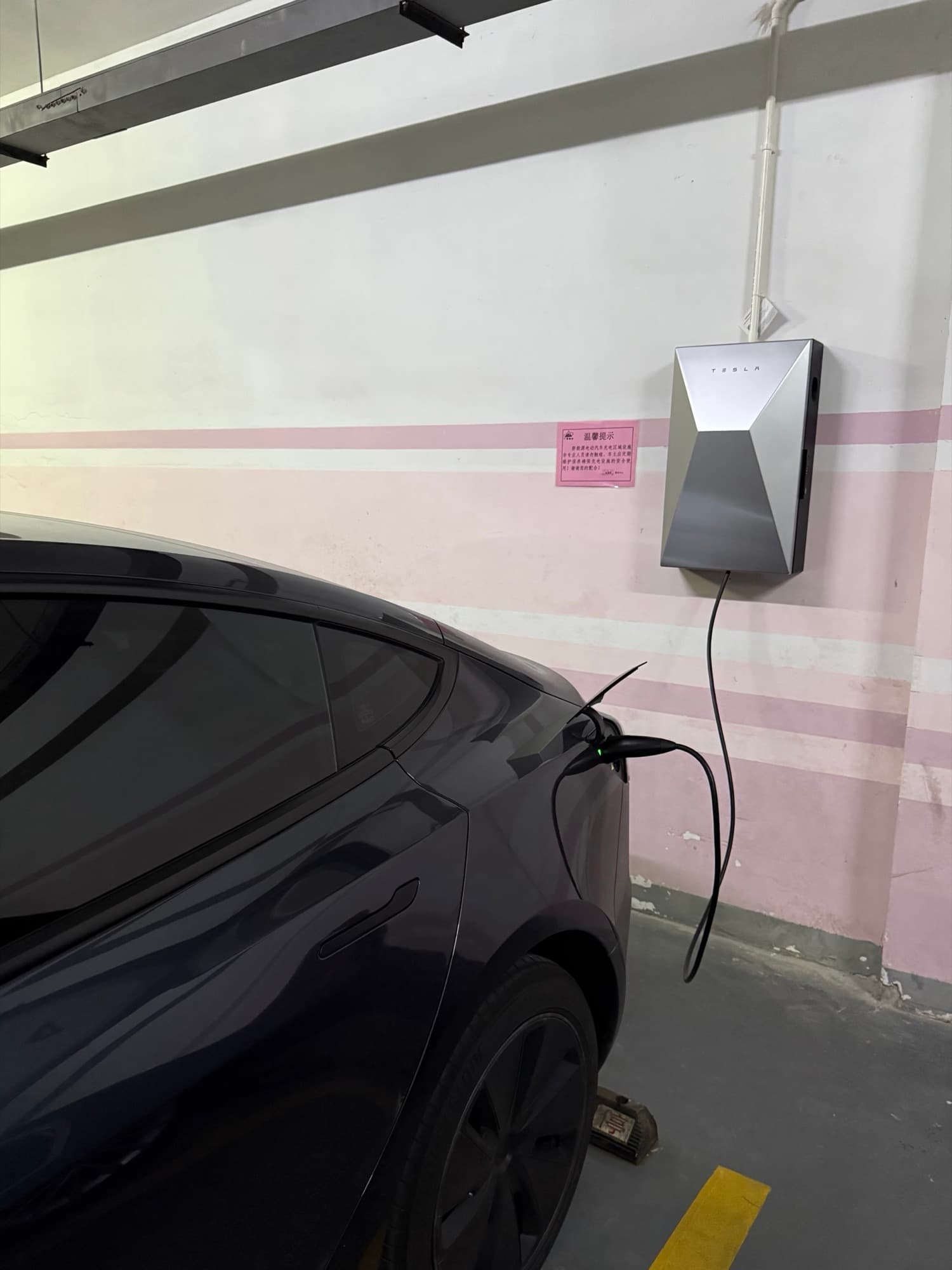
The best Model Y home-charging setup is the least powerful properly installed option that reliably replaces your normal daily driving while the car is parked. Start with the parking space, cable route, electrical capacity, and daily energy need.
Choose the Setup From Daily Use
Faster is not automatically better. A car parked for many hours may recover its daily use without the maximum charging power the vehicle can accept. Higher power can still be valuable for short parking windows, multiple EVs, heavy daily driving, or recovering quickly between trips.
Start with four questions:
- How far does the car normally travel between overnight parking periods?
- How many hours is it usually parked?
- Is the parking space fixed and protected from traffic or cable damage?
- What electrical capacity is actually available at the property?
Tesla's current Home Charging guide compares its charging options and explains that charging speed varies by vehicle and equipment. Connector types, voltage, certification, installation rules, and product availability differ by region, so use the official page for the vehicle's market.
Plan the Installation in This Order
- Confirm the regular parking position. Locate the Model Y charge port and park as the car will be used every day.
- Check cable reach without tension. The cable should not be stretched, crushed, sharply bent, or routed where people and vehicles cross it.
- Estimate the daily energy need. Use recent driving rather than an occasional longest trip.
- Have the electrical system assessed. A qualified installer should confirm capacity, protection, cable route, grounding, permits, and local requirements.
- Choose equipment for the site. Match the connector, vehicle, available power, weather exposure, and any future second EV.
- Install and commission it correctly. Follow the current product manual and required inspection process.
- Test with the installer. Confirm charging begins, current is appropriate, scheduling works, and the cable can be stored neatly.
Do not size a circuit or choose protective equipment from a forum post. Electrical requirements are property- and jurisdiction-specific.
Wall Connector or Portable Charging Equipment?
Wall-mounted charging
A wall-mounted unit can simplify daily use: the cable has a fixed home, charging can be scheduled, and supported equipment may provide app data, access control, diagnostics, or power-management features. Tesla's current Wall Connector support page lists present features and vehicle charging tables.
The tradeoff is installation. Panel capacity, cable distance, wall construction, permits, trenching, and parking ownership can change the cost substantially.
Portable connector
Portable equipment may suit lower daily driving, an approved existing outlet, rental situations, or travel. It still requires the correct adapter, outlet condition, circuit, local standard, and installation assessment. An outlet that works for a household appliance is not automatically suitable for repeated EV charging.
Keep portable equipment dry, protected, and stored according to its current manual. Inspect connectors and cable condition, and stop using equipment that is damaged, overheated, or generating alerts.
Cable Placement Is a Daily-Use Decision
The wall location should let the cable reach the charge port with slack while keeping the connector off the floor. Avoid a route across a walkway or under a garage door. Consider how a second parked vehicle, storage cabinet, or future EV would change access.
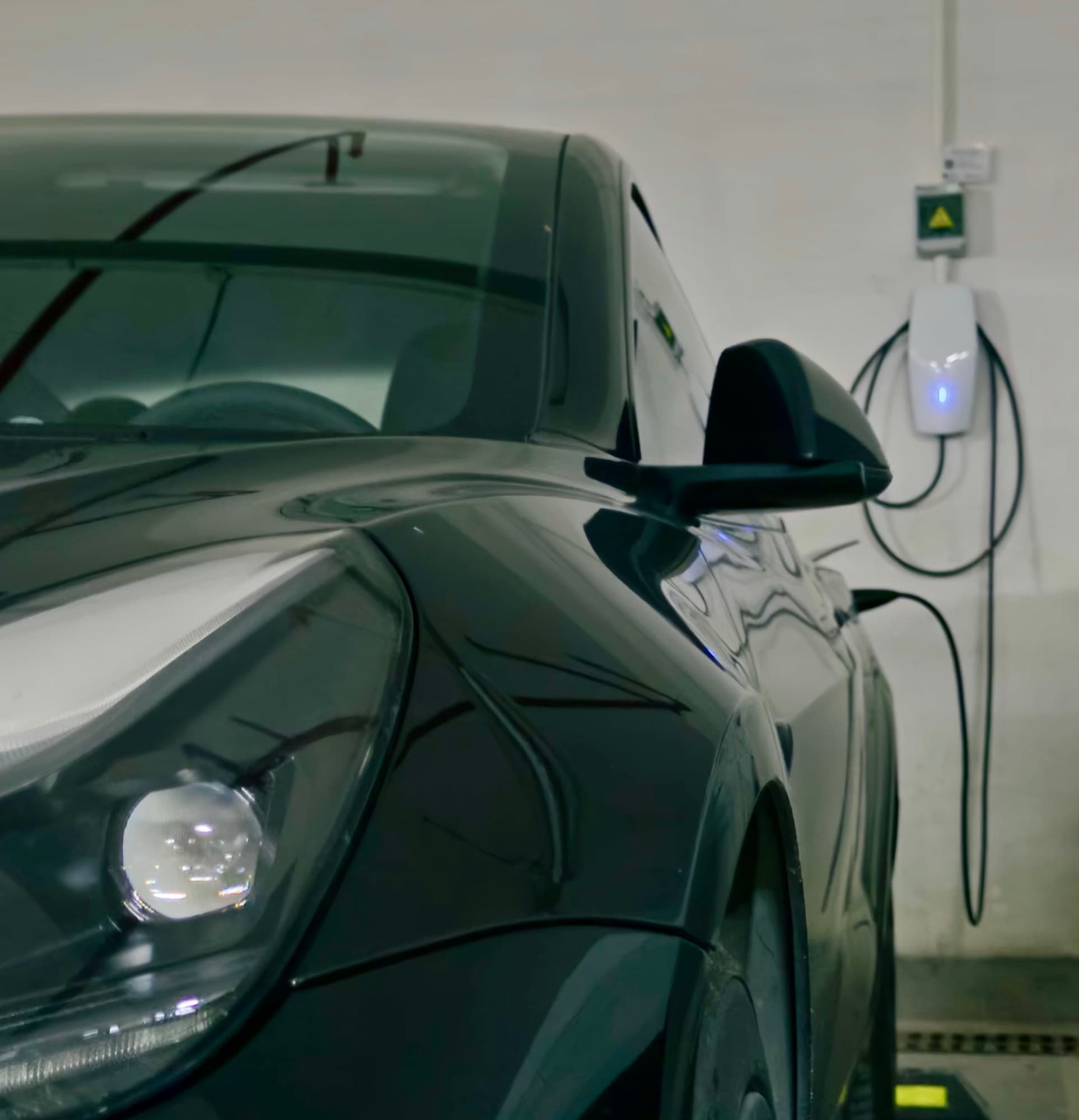
Before final installation, park forward and backward if both patterns are possible. Open nearby doors and confirm that the cable and charger do not obstruct normal movement.
Set the Charge Limit From the Vehicle
Tesla's guidance is to use the recommended charge limit shown for the exact battery on the vehicle touchscreen or in the app. Different batteries can have different preferred routines, so a fixed percentage copied from another Model Y may be wrong.
A practical routine is:
- Plug in when the car reaches its regular parking place
- Use the vehicle's recommended daily limit
- Schedule around the household's applicable electricity plan when useful
- Raise the target for a trip only when needed and consistent with current vehicle guidance
- Confirm charging has begun before walking away
The Model Y Owner's Manual charging instructions explain charge-port light states, limits, and alerts. Read the in-car manual for the exact vehicle because hardware and software can vary.
Estimate Home Charging Cost
Use energy delivered, not only distance driven:
charging cost = energy billed x applicable electricity rate
Time-of-use pricing, taxes, service charges, charging losses, climate, preconditioning, and other household loads can affect the bill. The most reliable estimate comes from actual charging history and utility statements over several normal months.
For a pre-purchase estimate, calculate a low, expected, and high electricity-rate case. Keep charger hardware and installation as separate one-time costs rather than hiding them inside a monthly energy estimate.
When Home Charging Is Not Possible
Apartment, shared-parking, and rented-property installations can require property approval, metering, access control, and cost allocation. Do not run an extension cable through a window, hallway, or shared walkway as a shortcut.
If installation is unavailable, build a repeatable public-charging routine around reliable locations and backup options. Supercharging-only ownership can work for some drivers, but travel time, pricing, queues, cold-weather behavior, and charger availability need a realistic test before buying the car.
Owner Notes
- Prioritize first: a safe cable route and reliable overnight recovery of normal daily driving.
- Pay for when needed: additional power, load management, or a second connector when the parking pattern justifies it.
- Delay: cosmetic charger accessories until the installation and cable storage work properly.
- Common mistake: buying charging hardware before an installer has assessed the property and the exact parking position.
If I Were Buying Again
I would get the parking space and electrical system assessed before choosing hardware. The best setup is the one that is easy to plug in every day, has enough capacity for normal use, and does not create a cable hazard.
FAQ
Do I need a Wall Connector to charge a Model Y at home?
Not always. Tesla supports multiple home-charging options, and the right choice depends on daily driving, available electrical capacity, local connectors and standards, parking access, and the exact vehicle. A qualified installer should assess the site.
How fast will a Model Y charge at home?
Charging speed is limited by the electrical supply, circuit, charging equipment, onboard charger, battery conditions, and vehicle configuration. Use Tesla's current charging table and a site-specific electrical assessment rather than a universal estimate.
What charge limit should I use every day?
Follow the recommendation shown on the exact vehicle's touchscreen or in the Tesla app because different battery types can require different charging routines. Change the limit for trips when the vehicle guidance indicates it is appropriate.
Can I install a Tesla home charger myself?
Fixed charging equipment and new electrical circuits require the permits, protection, commissioning, and qualified installation applicable to the property and local rules. Use Tesla's current installation documentation and a qualified electrician or certified installer.