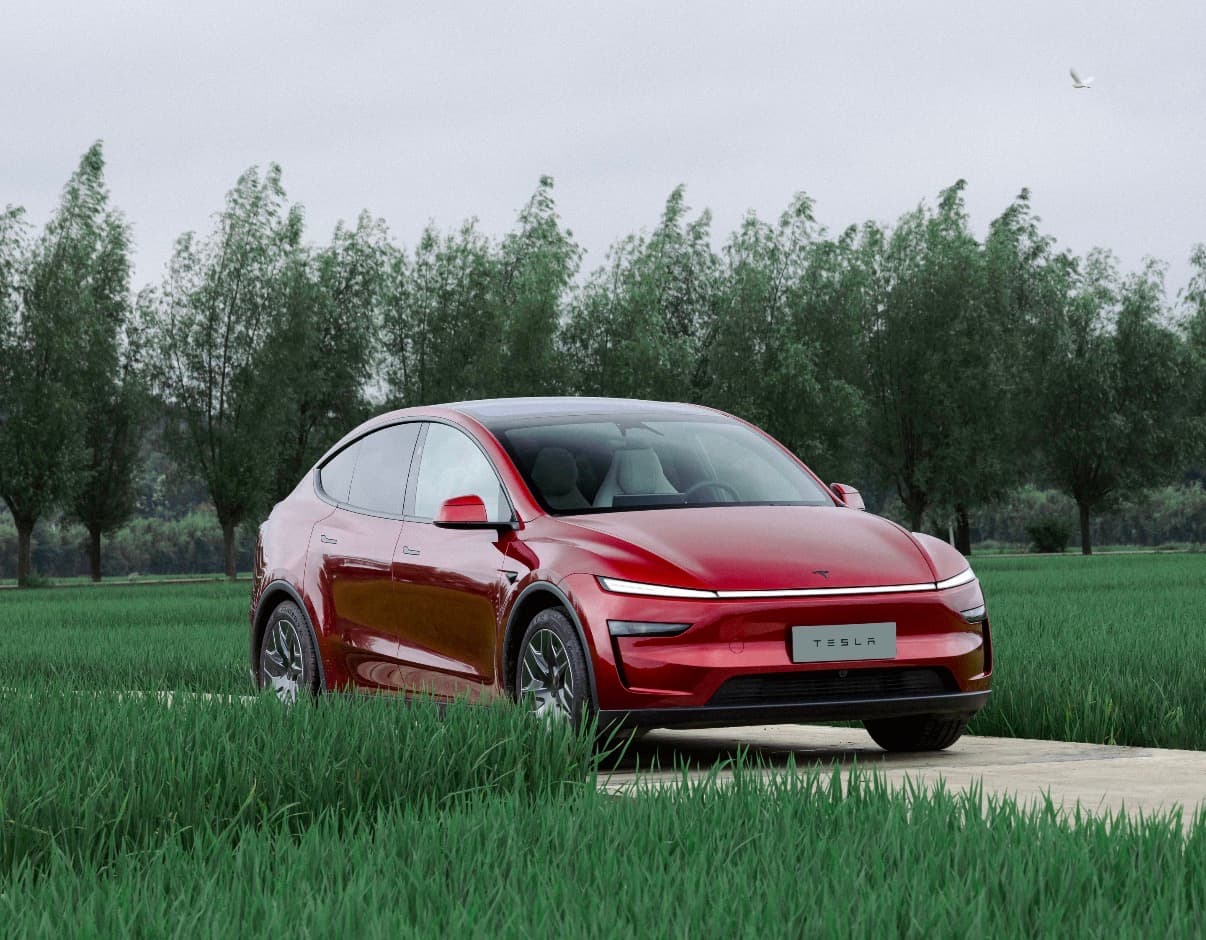
Model Y mud flaps are worth considering for snow, road salt, sand, gravel, mud, and construction debris. Choose a vehicle-specific kit with secure hardware and reasonable clearance. On clean paved roads, inspect the car first and buy only if the need appears.
Who Benefits Most From Mud Flaps?
Mud flaps move up the priority list for:
- Winter roads treated with salt or grit
- Gravel roads and unpaved parking
- Wet, muddy routes
- Construction areas with loose debris
- Owners who repeatedly see spray and dirt along the lower body
They are less urgent for a car driven mainly on clean, dry pavement. A product can add cleaning surfaces and reduce clearance, so "more protection" is not automatically free of tradeoffs.
Tesla describes its Model Y Mud Flaps as protection from snow, salt, sand, and small debris. Product compatibility and kit contents can change, so read the current listing for the exact vehicle.
Front Only or Front and Rear?
Front flaps can reduce material thrown rearward by the front tires. Some official or aftermarket kits provide only front pieces, while others include front and rear.
Do not compare kits by piece count alone. Check:
- Which wheel openings each part serves
- Whether rear pieces use secure factory attachment points
- Ground clearance
- Tire clearance through the steering range
- Whether the car already has related trim or protection
- Replacement hardware availability
A rear flap that hangs too low or attaches poorly is not automatically an improvement.
Fitment Matters on the Refreshed Model Y
Mud flaps follow the body closely, so build-date and production-year fitment matters. A listing should identify the refreshed vehicle or exact compatible date range. "Fits all Model Y" needs stronger evidence.
Compare product photos with the wheel-arch shape and fastener locations on your car before opening the package. Do not drill new holes or modify the body unless the product instructions, vehicle guidance, and your own risk tolerance clearly support it.
What Makes a Practical Mud Flap?
Secure hardware
The kit should use clearly documented fasteners and sit flush without loose edges. Reused clips may not retain the same force after removal, so follow the maker's hardware instructions.
Reasonable flexibility
A flap needs enough structure to remain stable but enough flexibility to tolerate minor contact. Material behavior in cold weather, heat, and over time requires real-world testing.
Ground and tire clearance
Longer is not always better. Check clearance over steep driveways, speed bumps, snow, and parking stops. Turn the steering from lock to lock while safely parked and confirm the tire does not contact the front flap.
Easy cleaning
Mud and salt collect behind edges and around fasteners. The design should allow normal washing and inspection. A flap that traps debris against the body needs more attention, not less.
Honest protection claims
Mud flaps can change the path of spray and debris, but they do not make paint damage impossible. Claims about long-term paint protection or aerodynamic effects need credible testing.
Installation and Inspection Steps
- Confirm model, production year, build date, and kit contents.
- Read the full instructions before removing any factory fastener.
- Clean the wheel-arch area so the flap sits against a clear surface.
- Install one side and compare alignment before completing the set.
- Tighten only as instructed to avoid damaged clips or distorted material.
- Check tire clearance through the full steering range.
- Drive a short route and inspect every fastener again.
- Recheck after the first wash and periodically during seasonal use.
If a flap shifts, rubs, cracks, or traps a large amount of debris, remove it and identify the cause.
Owner Notes
- What I would buy first: mud flaps only when road spray, salt, gravel, or debris was a regular part of the route.
- What I would delay: oversized or decorative designs that add clearance and cleaning concerns without clear evidence.
- What I find useful: factory-style attachment, clear hardware instructions, and a shape that can be cleaned without removal.
- A common new-owner mistake: ordering an older Model Y kit because the product title looks right, then discovering that the refreshed body uses different fitment.
Mud flaps are a condition-based accessory. The road should make the decision.
If I Were Buying Again
If I were deciding again, I would inspect the lower body after several wet or dirty drives, then choose the shortest vehicle-specific flap that addressed the problem with secure factory-style hardware. I would check fitment before opening the package and clearance immediately after installation.
FAQ
Are mud flaps worth it on a Tesla Model Y?
They are most useful on roads with snow, salt, sand, gravel, mud, or frequent debris. Owners who mainly drive clean paved roads may reasonably wait and inspect the lower body before buying.
Do Tesla Model Y mud flaps include front and rear flaps?
The contents depend on the product. Tesla's official listing may provide front coverage for a specified vehicle range, while third-party kits may include front and rear pieces. Read the kit contents rather than assuming.
Will older Model Y mud flaps fit a refreshed Model Y?
Do not assume they will. Confirm the production year, build date, attachment points, trim, and seller compatibility because body details and hardware can change.